
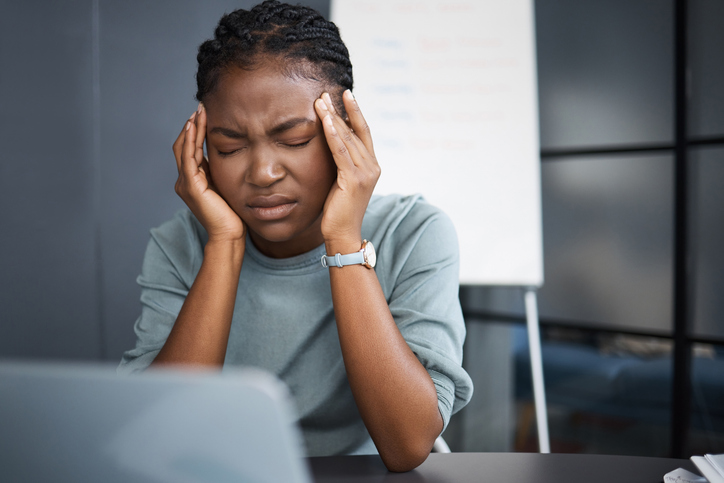
If you or a loved one suffers from migraines, you know the drill. Plans are cancelled. Chores are postponed. It’s difficult to care for the children or pets, and the simplest of pleasures are put on hold. Plus, there are those nagging feelings of guilt, letting others down, or anxiety about when the pain will hit next.
What many of us don’t realize, however, is that migraines are not just severe headaches. In fact, headaches and migraines are two very different things, with different causes and different treatments.
Let’s take a closer look at migraines
Unlike a regular headache, migraines are complex events that involve a series of neurological changes in the brain that affect our nerves and blood vessels.* Surprisingly, although they’re considered to be the world’s most common neurological disability, scientists still find the root cause of migraines to be a mystery. But most researchers agree on this: certain chemicals become more active before and during a migraine, causing parts of the brain to send out confusing symptoms that create an attack.
What are some common symptoms?
Migraine symptoms and experiences can differ from person to person. Some may develop light sensitivity and dizziness, some notice food cravings and body chills. But there are certain symptoms that seem to be widespread among migraine sufferers:**
- Increased sensitivity to light, sound, or smell
- Yawning or difficulty sleeping
- Nausea and/or vomiting
- The need to be in a quiet, dark space
- Moderate to severe head pain
- Throbbing pain that can last from hours to several days, usually on one side of the head
- Auras that can precede a migraine. Only 25% of those with migraine get an aura, but they typically include seeing flashes of light or zigzag patterns
- Fatigue and irritability after a migraine attack, a phase known as postdrome
What are common migraine triggers?
Just like the symptoms above, different things can trigger an attack for different people. But some triggers are more common than others, and they include:***
- Stress: This migraine trigger is a big one. Studies reveal that up to 70% of people had a significant association between their daily stress level and their daily migraines.
- Changes in sleep patterns: Sleep renews and repairs our bodies, including our brains. So, any irregular sleep patterns can have a negative effect and trigger a migraine.
- Hormonal changes: Women are 3x more likely to experience migraines, and they often occur with hormonal fluctuations. This is often called a menstrual migraine and is a result of changes in estrogen and progesterone levels.
- Caffeine and alcohol: The jury is out on caffeine, because while some people feel that caffeine can bring on a migraine attack, others find that caffeine can help thwart an attack. It all depends on the person. But studies do show that red wine and other alcoholic beverages often trigger an attack.
- Weather changes: Storms, excessive heat, and changes in barometric pressure are common triggers that can lead to a migraine attack. High humidity and heat can easily lead to dehydration, another common trigger.
- Diet: Many foods can trigger a migraine attack, but common foods to avoid are those that contain histamines and MSG, chocolate, cheese and other dairy products, artificial sweeteners (e.g. aspartame), cured meats, and anything with a strong smell.
- Dehydration: This one is a relatively easy trigger to control. About 1/3 of people with migraine say dehydration is a trigger, and for some, even the slightest hint of dehydration can be a fast track to debilitating head pain.
- Light: For many migraine patients, natural light is the enemy. This condition is called photophobia, and it is actually one of the criteria used to diagnose migraine. Both natural, bright light and fluorescent or flickering bulbs are problematic, making it difficult to spend time outside or be in an office environment.
- Smell: Some odors may activate certain nerve receptors in the nasal passages that trigger a migraine attack or make one that has already started worse. Osmophobia (aversion to odors) is a common symptom of migraine.
- Physical strain: Exercise is good for all of us, but for those who suffer from migraines, intense physical exertion can bring on a migraine attack.
Comparing migraine to other headaches
A headache that is not a migraine usually falls into one of 3 categories: a sinus headache, a tension headache and a cluster headache.
A tension headache is probably the most common form of headache. It can last hours or days, causing pain with tight, constant pressure on the head, neck or forehead – all from muscles contracting. Tension headaches are part of life for many of us because they’re caused by stress, anxiety, lack of sleep, jaw clenching and missed meals.
A sinus headache is typically quite painful and often confused with a migraine. In these headaches, symptoms can include a runny nose, nasal congestion, and/or pressure in the front of the face, ears, and teeth – often caused by a sinus infection or allergies.
A cluster headache is considered by most to be the most severe type of headache. They occur in “cluster periods” that range from every other day to sometimes 8 times a day – and can last anywhere from 15 minutes to 3 hours. Pain from these headaches feels like a stabbing pain behind or around the eye, usually on one side. If you think you might be having a cluster headache, it’s important to talk to the doctor because this type of headache requires medical oversight.
Now that we know the difference between a common headache and a migraine, let’s talk a minute about migraine prevalence. Regular headaches can be very painful and annoying. But, except for cluster headaches, they are commonly treated with over-the-counter relief. Migraines, on the other hand, warrant a visit to the doctor for examination and treatment.
While we may not know everything about what causes migraines, one thing we know for certain is that people who suffer from migraines are not alone.****
- Migraine is one of the 10 most disabling medical illnesses on the planet
- Migraine affects over one billion people worldwide
- One In four households in America has a member with migraine
- Migraine impacts over 37 million men, women and children in the US
- Migraine is 3 times more common in women than men
- Migraine interferes with education, career or social activities for over 90% of those who suffer from the condition
- Migraine costs more than $20 million each year in the US due to direct medical expenses and loss of productivity
- Migraine may be hereditary: the risk of children having a migraine increases to 75% if both parents have it
If you or a loved one has questions about headaches or migraines, please reach out to the neurology group at Premier Medical Group. We can help. Just contact us at https://www.premiermedicalhv.com/ or call us at 845-454-0728 today.
*[https://www.medicinenet.com/what_is_happening_in_the_brain_during_a_migraine/article.htm]
**[https://americanmigrainefoundation.org/migraine-signs-symptoms/]
***[https://americanmigrainefoundation.org/resource-library/top-10-migraine-triggers/]
****[https://americanmigrainefoundation.org/resource-library/migraine-facts/]