Blog

Worried about Cancer

A 35-year-old white male complains of difficulty swallowing that he describes as a feeling of tightness in the chest after food ingestion as well as a sensation of the food “sticking” in his chest. He is afraid to eat and has lost 5 pounds; he is a smoker with a history of asthma and a […]

Read More

Urethral Reconstruction

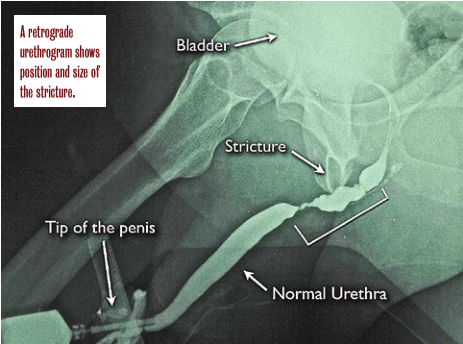
Urinary urgency, discomfort and slowing of the urine stream should never be dismissed as just a part of growing older. Such symptoms usually indicate treatable health conditions and, in some cases, they signal damage to the urethra, the tube that carries urine from the bladder out of the body. Urinary dysfunction—including urinary urgency, discomfort and […]

Read More

High Blood Pressure Points

High blood pressure (HBP) is still sometimes referred to as a “silent killer” insofar as most people who have it experience no symptoms. Yet, over time, HBP can lead to coronary heart disease, heart failure, stroke, kidney failure and peripheral artery disease and other health conditions. The last decade has seen increased attention paid to […]

Read More

Cholesterol by the Numbers

Every body has cholesterol; the waxy, fat-like substance is found in all of the body’s cells and is a building block in the making of hormones and digestive substances. The problem with cholesterol is that there can be too much of it, circulating through the blood stream and building up plaque in arteries. This process […]

Read More

What is COPD?

Chronic obstructive pulmonary disease, or COPD, is a progressive lung disease that, over time, makes it more and more difficult to breathe. The term COPD includes two main conditions, emphysema and chronic bronchitis. Emphysema involves damage to the air sacs in the lungs while bronchitis is marked by inflammation of the bronchial tubes, the airways […]

Read More

Xiaflex: A New Treatment for Peyronie’s Disease

What is Peyronie’s disease? Peyronie’s disease (PD) is a connective tissue disorder that causes hard scar tissue (plaque buildup) to grow in the penis. Though not visible, this plaque can result in decreased elasticity within the penis at a curvature of 30 degrees or greater. What causes Peyronie’s disease? Researchers are still unclear as to […]

Read More