
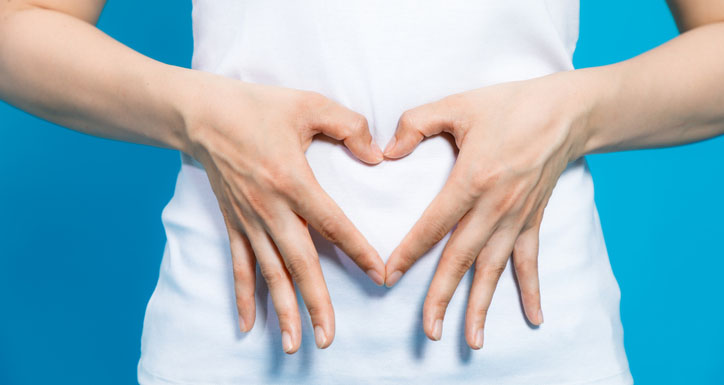
When most of us think of germs, we picture danger and illness. We’ve been taught to avoid germs at all costs, fight them off, even kill them. But did you know that some germs are actually good for us?
The gut microbiome in our intestines, for example, is a community of bacteria, viruses and fungi that help to digest food and break down fiber. The microbiome supports our immune system by defending against harmful pathogens, and it helps to reduce inflammation, aid in our metabolism and even regulate our mood through signals sent between our gut and our brain.
But after a few weeks of holiday sweets, fatty foods, and rich dinners, our gut microbiome can be thrown off balance. Maybe we feel lethargic, bloated, heavy or sluggish. We might have low energy, feel less resilient, and even irritable or in a low mood. Well, it’s not your imagination because many people feel this way after the holidays.
A Balancing Act that Affects the Whole Body
Science tells us that we have more bacteria in our bodies than we have cells.* That’s a good thing. But if we have too much bad bacteria, we can develop all sorts of problems that make us feel ill. It may seem surprising but this bad bacteria in your gut can affect our whole body. For example:
- Your Digestive System: Otherwise known as your gut. This is probably what most of us think about when we think about problems that arise from what we eat. But it’s not just minor disturbances. For some people, an unbalanced gut can lead to chronic problems like Crohn’s disease, ulcerative colitis and irritable bowel syndrome.**
- Your Heart: When you eat too much red meat or eggs, studies show that the bacteria in these foods can make a chemical in your liver called TMAO (trimethylamine-N-oxide). TMAO may cause cholesterol build up in your blood vessels.
- Your Brain: Researchers know that your brain communicates to your entire body. But they also think that sometimes, your gut talks back. That’s why when you eat too many rich and fatty foods, the imbalance of bacteria in your gut can affect how your brain processes certain information, affecting your emotions and mood.
- Obesity: An unhealthy balance in your gut microbiome may cause signals from your brain to get mixed up, making you feel either hungry or full, even if you have or haven’t eaten. There’s a school of thought that this may also be linked to the pituitary gland, which makes hormones that help set your appetite.
A Short Science Lesson
The good news here is that it’s not very hard to get your gut back in balance. But before we get into the dos and don’ts, here are a few things that are good to know:***
Probiotics
Probiotics are live microorganisms found in certain foods that are considered “good bacteria” like those found in your gut. They can make your immune system stronger, and can boost your gastrointestinal health, too. Foods rich in probiotics include yogurt and aged cheeses. Look on the ingredients list for live cultures of bacteria like bifidobacteria and lactobacilli. They’re also in fermented vegetables, like sauerkraut, pickled vegetables, onions and gherkins.
Prebiotics
Prebiotics are non-digestible fibers that help probiotics to grow. They can help your body take in calcium better and boost the growth of helpful bacteria in your gut. Foods rich in prebiotics include whole wheat, bananas, onions, garlic, leeks and asparagus.
Synbiotics
When you combine foods rich in probiotics and prebiotics, you get synbiotics. Synbiotics can help support gut health by increasing the number of beneficial bacteria while also providing the bacteria with the fuel they need to function and thrive. You can make synbiotic combinations with things like bananas and yogurt or stir-fry asparagus with tempeh.
A Delicious Gut Fix
Keeping your gut healthy might sound like a challenge, but people across the globe have found a way to keep healthy and thoroughly enjoy what they eat at the same time. Here are some helpful hints:
Learn to love fiber.
Fiber can help keep your bowel movements regular, nourish your gut microbes and keep your intestines and immune system healthy. Foods rich in fiber include fruits and vegetables, berries, chia and flax seeds and chickpeas.
Drink Plenty of Water
Water is essential for proper digestion. Think of it like a lubricant to bulk and soften stool, allowing it to easily pass through the intestines. Not only that, it’s also an important ingredient in keeping your gut microbiome regulated. If you don’t like drinking plain water, try flavoring it with fruit or berries.
Fall in love with Fermented Foods
Fermented foods are an acquired taste for some people, but they contain healthy compounds that reduce inflammation throughout the body and help to maintain a healthy gut lining. Common fermented foods include sauerkraut, kimchi, miso and kefir.
Make Mediterranean-Style a habit
A Mediterranean diet provides a lot of variety while also helping to maintain healthy heart and gut health. When you think Mediterranean, think fruits, vegetables, whole grains, legumes, nuts, fish, olive oil and herbs.
Move After Meals
After a big meal, we often want to relax on the couch. But that’s not what is going to make us feel better. Moving after a meal helps to stimulate the muscles of the digestive tract, improves blood circulation in the gut, and eases the movement of food and waste through your system. Even moderate activity, like a daily brisk walk, can improve digestion.
Limit the Liquor
Well, many of us have heard this before, but regular drinking can worsen or cause acid reflux, gas, bloating, constipation and diarrhea. It may also lead to a “leaky” gut. You can limit your alcohol intake by supplementing any liquor with mocktails or non-alcoholic beer.
Check for colorectal cancer.
Screening for colorectal cancer may be one of the most important steps you can take to protect your gut health, especially if you’re 45 years or older or have colorectal cancer in your family.**** Studies show that even people under 45 are increasingly showing up to have colorectal cancer, so be proactive. A simple colonoscopy can show potential problem areas before they get worse.
Take care of your gut, and your gut will take care of you. For more information or to schedule a visit with the Premier Medical Group Gastroenterology Division, call 845-471-9410 or visit https://www.premiermedicalhv.com/
*https://www.webmd.com/digestive-disorders/ss/slideshow-how-gut-health-affects-whole-body
**https://www.webmd.com/ibd-crohns-disease/crohns-colitis-difference
***https://www.webmd.com/digestive-disorders/synbiotics-what-to-know
****https://www.webmd.com/colorectal-cancer/colon-cancer-screening-guidelines