
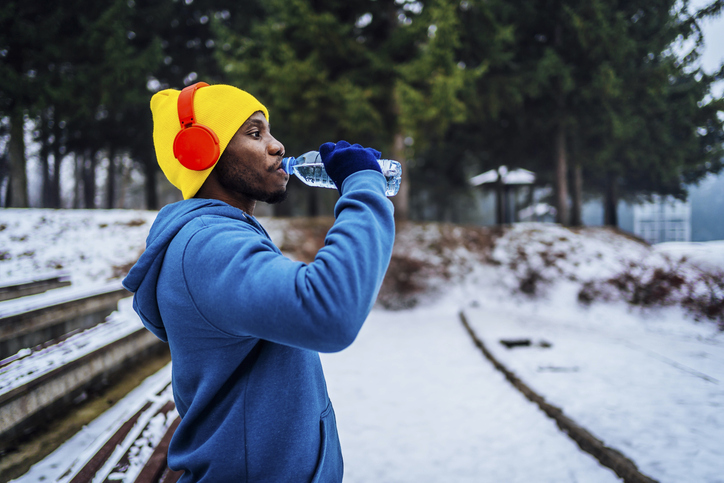
Winter is in full swing now, and whether you’re a snowbird or a summer lover, it’s just plain cold outside. So, most of us turn up the heat, light a fireplace if we have one, bundle up with lots of layers and try to stay active. But there’s one thing most of us do not do, and that’s drink a lot of water. Why should we? It’s not hot out, we don’t need fluids to cool us down, and sometimes it’s just not enticing to drink cool beverages when we’re already chilly.
Well, that’s a mistake. Because winter is one of the most important times of the year to be intentional about fluid intake. Your body relies on water for every system to function well, and when the air becomes cold and dry, dehydration can sneak up faster than you think.
You may not know this, but water is essential for regulating your body temperature. It’s the magic that transports nutrients throughout your body and removes waste. Plus, it supports your digestion, your brain function, your immune system and your kidney function. What’s more, it maintains blood pressure and proper body-temperature balance, especially important in the cold weather.*
It sounds simple: just drink more water. But it’s hard to keep that reminder top of mind day after day – and in fact, it’s not the only thing to think about when you want to stay hydrated. Here are some enjoyable, quick-fix ways to keep yourself healthy when the snow comes down and the ice lines the pavement:**
- Keep a water bottle nearby and sip your fluids throughout the day. If the water bottle is always with you, it’s easier to drink when the reminder is right in front of you.
- Flavor your water. You might be surprised at how much more enticing water can be when you add slices of lemon, lime, berries, cucumber, or herbs such as mint or basil.
- Add electrolytes to your fluids. A pinch of electrolyte powder, or a low-sugar electrolyte drink can help your body retain more water.
- Eat water-rich foods. Don’t forget that great-tasting soups, stews, fruits, berries and leafy greens provide you with both fluids and nutrients.
- Use that humidifier. When you turn up the heat in the house, it can dramatically dry out the air. Humidifiers are a great way to keep moisture in the air and keep your skin from drying out.
- Don’t over-bundle. We’ve all been there before. We put warm layers on in winter, then go outside and shovel the snow, ski, go sled riding or any number of winter activities—and we end up sweating under all those clothes. It’s important to stay warm but try not to overdo the layers when you’re exercising outdoors since sweating can dehydrate you faster.
- Switch your skincare routine and use a hydrating cleanser. Foaming cleansers and harsh soaps can strip your skin, but cream or gel cleansers keep the moisture in and reduce dry air irritations.
- Apply your moisturizer when your skin is still damp. This will help lock in the hydration. Many people look for moisture ingredients such as hyaluronic acid, ceramides, glycerin or squalane for maximum moisture retention.
- Avoid caffeine. This might be a hard one, but try to at least reduce your consumption of caffeine, and reach instead for warm, caffeine-free teas like chamomile, mint, or rooibos, which will help boost hydration while keeping you warm and cozy.
- Say no to a super-hot shower. Hot water will strip natural oils from your skin, making it itchy and uncomfortable. Try warm showers instead and limit them to about 10 minutes.
- Layer your skincare routine. It might sound funny, but try using a hydrating serum first, then follow up with a richer cream. This helps seal in moisture and protect the skin barrier.
Remember that dehydration, especially in winter, is far more common than most people realize.
Here are some interesting statistics to keep in mind:***
- Cold weather can suppress your thirst by up to 40%, and dry indoor air pulls moisture from the body more quickly.
- Did you know it’s estimated that dehydration accounts for around 518,000 hospitalizations each year in the United States?
- This is surprising, but just a 2% loss of body weight in fluids can affect your concentration, mood, circulation, and physical performance.
- For those of us who are older, the dehydration risk is even higher. Studies estimate that 17–28% of seniors are dehydrated at any given time, and dehydration contributes to roughly 9% of all hospitalizations in people over 65.
The good thing about all of this is that proper hydration in winter is something we can control. We don’t have to use all of the tips mentioned above, but if we do some of them on a regular basis, we’ll do our due diligence to stay healthy. We can even make staying hydrated enjoyable. So, take some of these simple preventative steps to help support your immunity, energy, cognitive function, and overall health through the winter season.
For more ideas on how to stay hydrated and healthy this winter, schedule an appointment to speak with your primary care provider at Premier Medical Group at https://www.premiermedicalhv.com/ or call us today at 888-632-6099
*[https://www.bda.uk.com/resource/the-importance-of-hydration.html]
**[https://extension.psu.edu/hydration-in-cold-weather]
***[https://www.ncbi.nlm.nih.gov/books/NBK555956/]